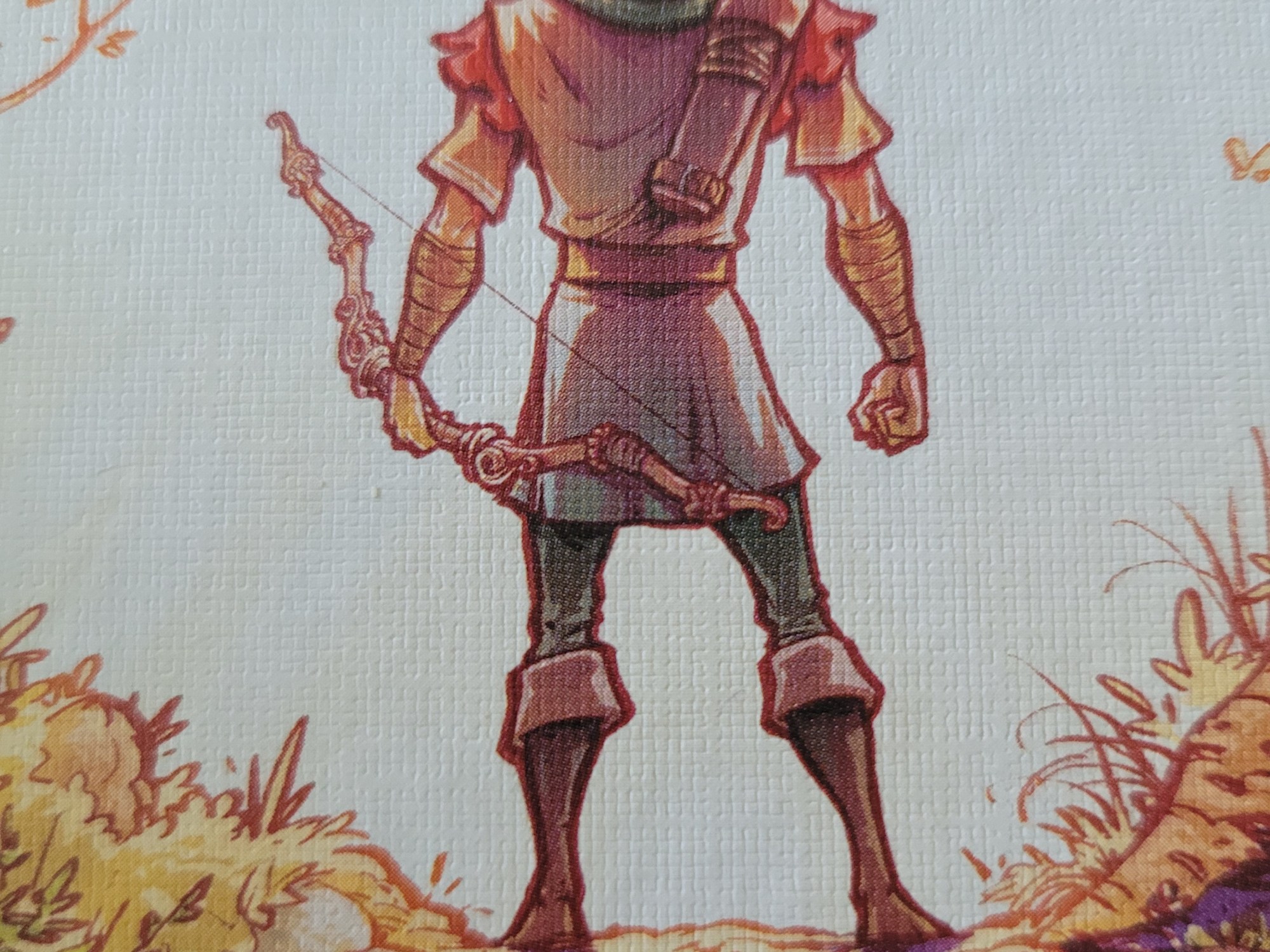
We are creatures of habit. Once we’ve settled on one approach, we tend to stick to it. Regardless of whether a different approach might be a better help to deal with a situation.
One habit among gamers tends to be to look at the rules to determine how many people can play the game together. This can lead to peculiar claims like on the box to „Welcome to..“ which states that it can be played with up to 100 players. Or it might make people say that games like Pandemic or Dorfromantik – The Board Game are „actually solo games“. Both claims seem somewhat tongue-in-cheek as opposed to a realistic assessment of the individual games. But they also point at a very rigid understanding of games, their rules and how to apply them.
It’s commonly understood that a game’s rules provides every participating player with their individual role within the game. This distinction of roles is usually supported by the mechanisms and components provided. Every player gets their own player color and a spot in the turn order. We’re given a window during which we apply the rules and mechanisms of the game to reach our goal. If our goal is identical to that of the other players at the table, we have a competition. This is traditional understanding of games: a friendly competition over who is the best.

Our differences are only
skin deep
But as Prince Akeem Joffer has already said, it is also tradition that times must and always do change. The same is true for games and their designs. Even thogh many games of the first cooperative wave still held on to the idea of discernible player roles; even the most popular ones (Pandemic) started to slowly disintegrate this notion – often under a lot of criticism. The different vectors or player roles the group could use to affect the course of events in the game would shrink down to one. In games like Pandemic, Ghost Stories or Arkham Horror this shrinking happened on a player level, which was quickly problematized with terms like „alpha gaming“ or „quarterbacking“. We still cling to the idea that only when a game offers multiple vectors, does it allow multiple people to play. But that’s a bit like believing that you can only enjoy and experience a hike, when you’re the one holding the card and compass: „It’s only when my hand moves my player piece to the spot that I chose, that I’m part of the game.“
It goes without saying that the tactile and haptic aspects of board games are an important part of what makes games so enjoyable. There’s a reason why many digital implementations of board games often feel sterile and interchangeable. Touching components and changing the game state with your own hands matters to us. But on the level of play dynamic it doesn’t really matter who moves a piece, who draws and reads a card and how rolls the dice.
The recently awarded Dorfromantik The Board game breaks with this orthodoxy of individual player roles. Even though it only offers a single vector mechanically, i.e. rules and components do not differentiate between participating players, it is supposed to be played by multiple players. A very important part of the game’s play dynamic is given into the hands of the group. They are now responsible to discuss options and arrive at a decision in such a way, that the experience isn’t dominated by a strong-willed player or experienced solo gamer.
Because the question of whether a game is played solo or not, isn’t a question of mechanisms but of the social dynamics at the table. At his point Dorfromantik The Board game might provide a very challenging and difficult to learn gameplay concept. As simple as the mechanisms may be, the social interactions at the table can be a magnitude more demanding, depending on who you’re playing with.
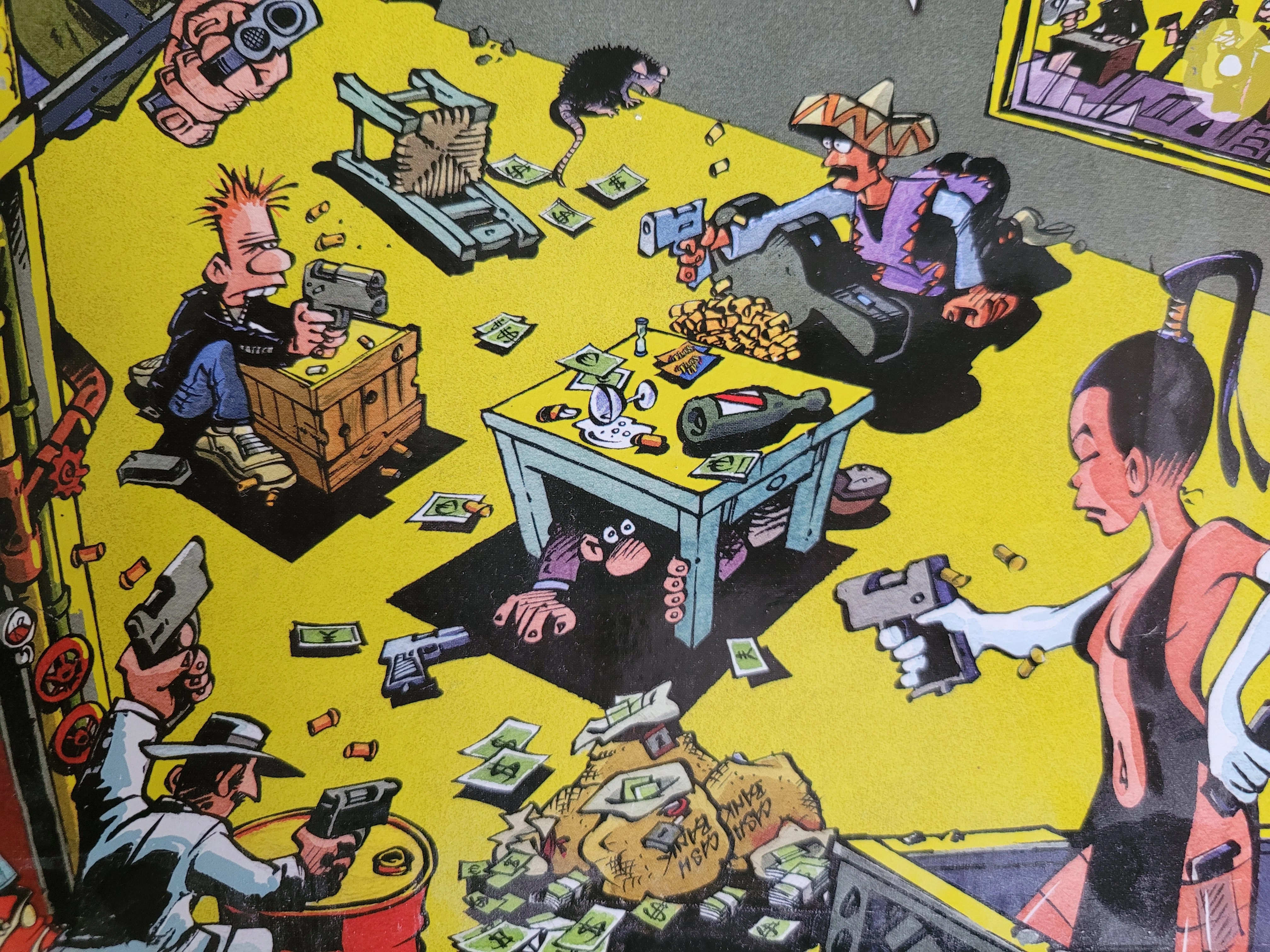
Decision-making among
expert gamers
You have to find a compromise with your fellow players while still treating them as equals. Regardless of their expertise or the quality of their decisions, you have to exhibit the social skills to accept different opinions as legitimate. Because it is no longer about determining the best or the right decision. Cooperation isn’t a competition, but the act of practicing community and consensus.
That makes Dorfromantik The Board Game an unexpectedly subversive Spiel des Jahres winner. Many people, who are new to board games, will be forced to actively deal with their communication and group dynamic at the table. Since there are no mechanisms to give players and easily grasped vector to point them to the right (constructive) direction. There is no simple „you vs them“. They need to come together and organise as a group. They have to stand up for themselves, if they want to be heard. They have to practice mindfulness to include everyone at the table. They have to tolerate objections while also presenting their own position constructively. Above all they have to accept the decisions of others, even when they don’t agree with it. Especially for adults who enjoy certain social privileges, this can often be very challenging.
Of course, some will capitulate before such a challenge and stick to playing Dorfromantik and comparable alone. But I believe it is important to understand that a game’s mechanisms are tools. When they offer us distinct roles, they serve to simplify the social activity we participate in. When they name a human opponent, it’s obvious what we need to do. When the other players at the table share our goal, we need to exhibit a different skill set to make sure we’re having a good time together.
The abundance of competitive games has led to to certain habits among veteran players. One of them has been downplaying the social dimension as a game element. It’s often seen as a byproduct of play. In some cases, it might even be a surprising topic, when we learn „fun facts“ about each other, we wouldn’t have spoken about otherwise.
Games that give us only one vector or role, are an opportunity to turn the social dimension of the game into a load-bearing column of the experience. If we want to do so. It opens a new area for players to acquire, practice and purposefully apply a skill set, that will help them create a positive, fulfilling and above all memorable playing experience. But in order to do that we need to shake off the habit of seeing games as a place for 1-4 lone fighters.
 Lest My Opinions Go Unheard