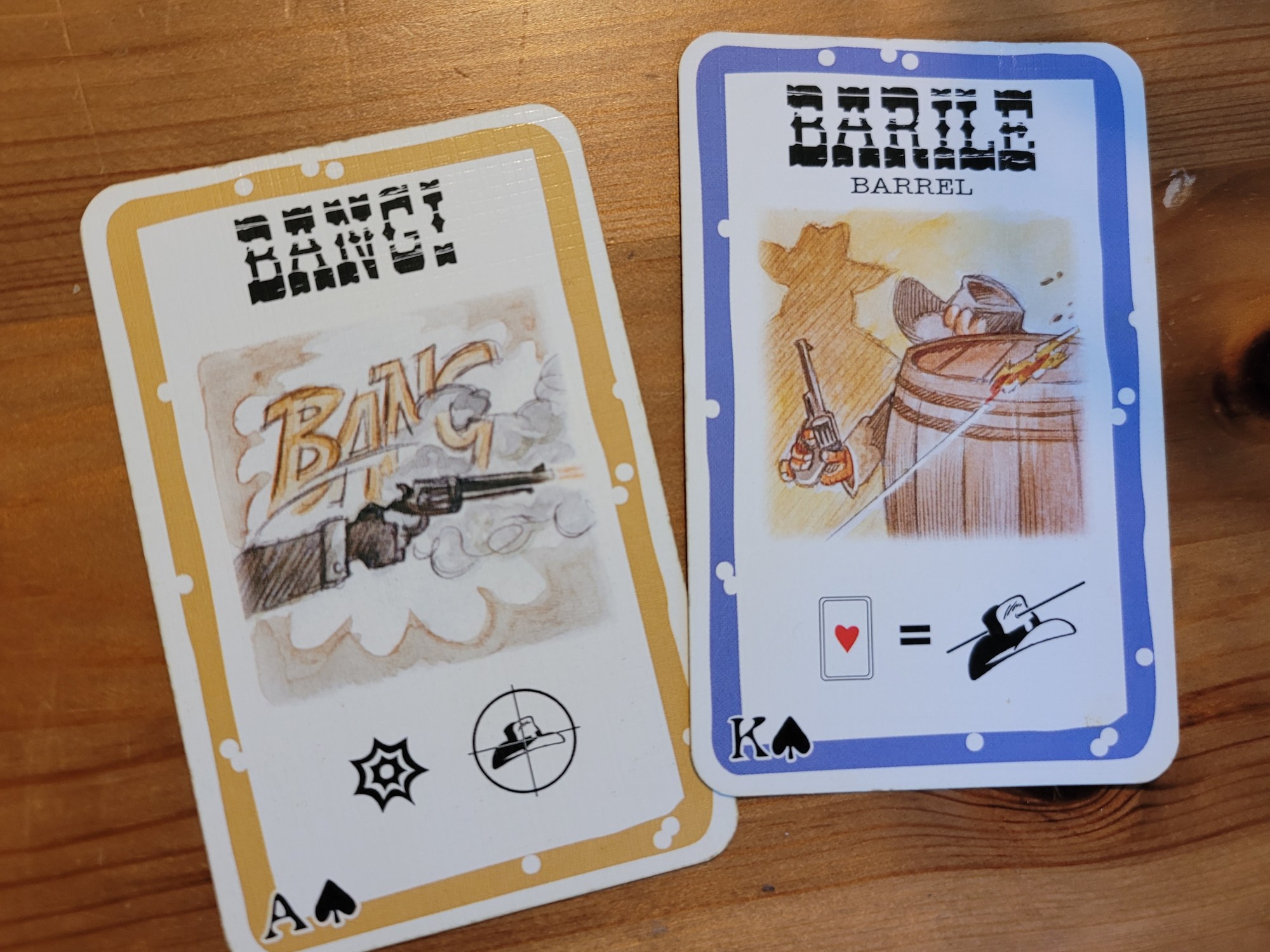
We all know games or situations in games, that are best described as “mean”. A word that’s generally reserved when you feel picked on. Sometimes it’s the game itself, sometimes it’s the players. A game is usually called mean, when it includes “negative” or “destructive” interaction. It’s when your achievements or the things you’ve build up, are destroyed by others.
But games can feel mean, when other players simply deny you certain things on purpose. It’s a point of frustration that has turned “kingmaking” into a phrase of condemnation among hobby gamers. You are denied your presumably earned victory through the decisions of somebody who isn’t meaningfully involved in the whole thing. But even blocking a needed action space on the board, is a way of being denied. Regardless of other players’ reasons for it, it almost feels like a personal insult, when others deny you what you clearly need.
And it barely matters, if you’re not aware of this denial when it happens. A hidden act of hate drafting in a game like 7 Wonders (when you remove a card from circulation, that another player is waiting on), is the kind of mean little trick, that is usually accompanied by so much schadenfreude, that it’s hard to resist the temptation to do it.
Some games like Lost Cities, for example, build a large portion of their strategy and some of their emotional feedback on this. You want and almost have to deny your opponent access to certain cards. At least long enough for the card to become worthless to them.
It’s worth noting that two player games aren’t called mean quite that often. This is arguably because their duel character is often very obvious. Most of the time they are zero sum games, in which any gains player 1 makes are fuelled by player 2’s losses.
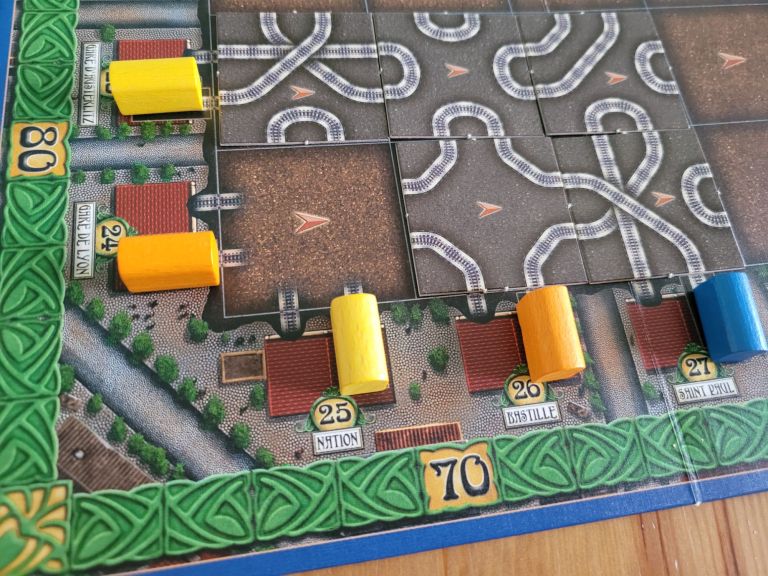
This, then, leads us to two observations. Mean games can be either games in which I try to build something, but my progress is interrupted or outright undone; or they’re games in which I attempt to obstruct another player’s goals, if not outright make them impossible. The follow-up question should be apparent as well: does the meanness come from the games or its players? Can a game make me do things I don’t want? Can a game make me surrender part of my agency?
For the most part, the answer is no. Games are generally based on providing players with agency. It’s a prerequisite feature for the game to be seen as interactive at all. If we can’t make a decision over what to do next, then we’re not playing the game, but the game is playing us. That is why modern game design trends lean towards offering players a wide range of strategies and by extension player behaviours. When 51st State came out way back then, this was one of the selling points the people at the booth gave me. It was possible to enter a trading agreement with other players, instead of simply attacking and destroying their buildings. For a game with a post-apocalyptic setting, this was reasonably novel. But games can also include variant winning conditions – like Sid Meier’s Civilization (2010) – which expand on the zero-sum gameplay to offer other ways of competing with each other.
It’s fair to assume that modern designs offer players the means to push their game into a meaner or less mean direction. If there are multiple, viable paths to get to your goal, and you pick the one that most affects another player, that’s a choice. It’s not a mandatory action. These are games in which play is mean, because you can make it so.
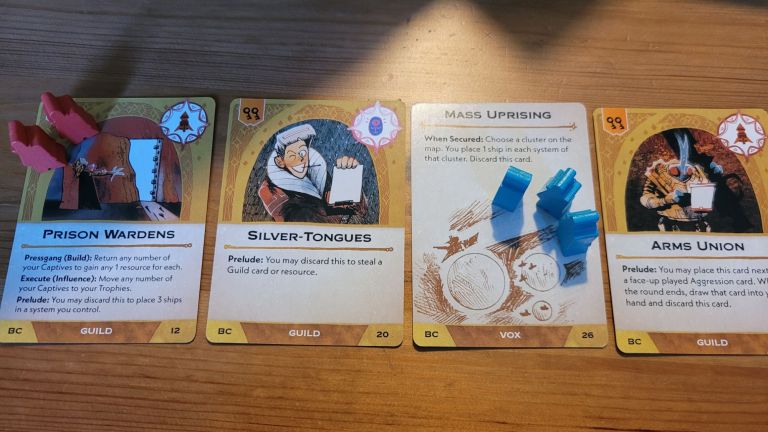
I’ve purposefully used the distinction of “modern” designs. If you look only a few decades back into gaming history, you’ll quickly find games that can only be won (and really only pick up steam), when you start to attack other players. These games have a long-standing tradition in the hobby. Duel games, zero-sum games and just generally “brawling” with each other used to be the default state when playing games together. Games like Arcs or Root (examples of modern designs upholding old values) are generally called mean, because it’s axiomatically assumed that players will enjoy brawling with each other. All the rules primarily aim to provide room for players to brawl. If you’re playing games for other reasons, you’ll soon run into invisible walls that stop you from enjoying the game. That’s why this kind of (mean) game is seen as the norm for many veteran games. It’s the non-confrontational, “care bear” games that feel like a diluted form of having fun with games. This understanding will obviously shape expectations and player behaviour at the table.
If you don’t share these attitudes, or simply play without this kind of mental framework, you’ll quickly end up in situations that are unsatisfying and simply no fun. It’s people having these experiences with games, that have popularized the concept of the “mean game”. But it has also become accepted that you just have to be able to “deal with” these kind of games. I’m no fan of talking about games or players this way. A frustrating or unsatisfying experience isn’t something you have to “deal with” or “put up with”. However trivial the situation might be, demanding players “deal with it”, just so you can enjoy your game is simply unwarranted.
The idea of the mean game, then, is a sum of players to whom messing with each other is an important, if not essential part of play and of games that build on this understanding and reduce player options accordingly. Food Chain Magnate, for example, is considered mean because the consequences of our decisions can have a huge impact on others. Regardless of whether this impact was intended, other people’s progress can be undone by making one small decision. Ideally, these types of players and these types of games manage to come together at the table, to turn “mean games” into a great deal of fun for everyone involved.

More often, though, either players or game don’t quite fall into the above categories. Which leads to game nights in which players feel disproportionately frustrated. Or they are games in which needlessly harsh consequences are forced onto a player’s progress in the game. Calling both of these “mean” seems to muddy the waters, I think. Because it’s at this point exactly, that we need a more robust understanding of what we look for in a game, but also what options a game actually offers. And which it explicitly denies us.
 Lest My Opinions Go Unheard